

Parenting is one of the most universal human experiences, but the way it’s approached varies dramatically across cultures. We have detailed some of the most common parenting styles and tips on finding the style that best suits you in this article.
While Western parenting often emphasizes independence, self-expression, and individual achievement, many non-Western cultures prioritize family interconnectedness, social responsibility, respect for elders, and collective well-being.
By examining how non-Western cultures raise children, we gain valuable insights into alternative approaches that have helped communities nurture resilient, respectful, emotionally secure, and socially responsible adults for generations. These parenting philosophies challenge assumptions about what constitutes successful child-rearing and reveal that there are many effective paths to raising healthy children.
Table of Contents
Understanding Parenting Beyond the Western Lens
Parenting is deeply influenced by culture. Every society develops child-rearing methods designed to prepare children for the realities of their environment.
In many Western countries, children are encouraged to:
- Develop independence early
- Express personal opinions freely
- Pursue individual goals
- Build self-confidence through autonomy
In contrast, many non-Western societies emphasize:
- Family unity
- Respect for elders
- Community responsibility
- Cooperation over competition
- Social harmony
Neither model is inherently superior. Instead, each reflects different cultural priorities and definitions of success.
Advertisement: Boost your reviews with this review management platform.
Core Values Shared Across Non-Western Parenting Cultures
Despite significant geographic and cultural differences, many non-Western societies share several parenting principles.
– Strong Family Identity
Children are often taught that they are part of something larger than themselves. Family reputation, collective success, and mutual support frequently take precedence over individual ambitions.
– Respect for Elders
Across Asia, Africa, Latin America, and the Middle East, respect for parents, grandparents, teachers, and community leaders is considered fundamental to character development.
– Shared Responsibility
Children commonly participate in household responsibilities from an early age. Rather than being viewed as burdens, these tasks are considered important learning opportunities.
– Community Involvement
Many cultures believe that raising children is a communal effort. Relatives, neighbors, elders, and family friends often play active roles in a child’s development.
If you’re interested, here’s our book review on Hunt, Gather, Parent, which details an in-depth look at parenting styles from traditional cultures.
Parenting in East Asian Cultures
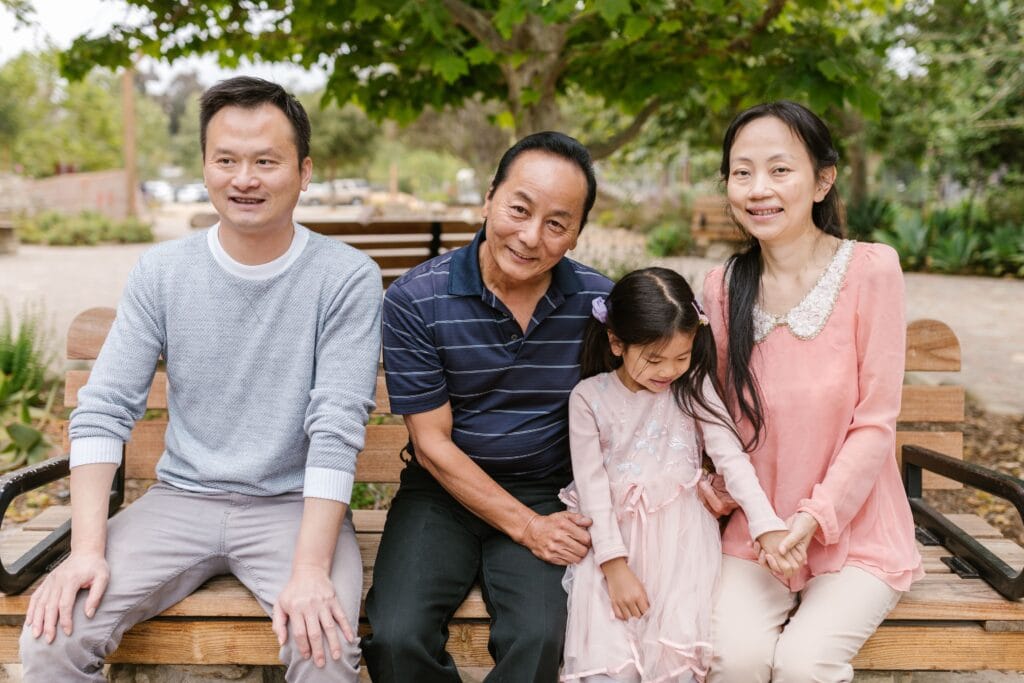
East Asian societies such as China, Japan, and South Korea often emphasize discipline, perseverance, academic achievement, and social harmony.
When we think of East Asian parenting, the first image that comes to mind is often the strict, no-nonsense “tiger parent.”
However, a fascinating study from Hong Kong challenges this stereotype, showing that parents who strongly embrace traditional Asian cultural values often lean towards an authoritative parenting style rather than an authoritarian one. And here’s the kicker—that seems to positively impact how children see themselves
Rather than just enforcing rules, many East Asian parents set clear expectations while also providing warmth and support. This balance—where structure meets emotional responsiveness—is what sets authoritative parenting apart.
And it’s a powerful lesson: kids thrive on both boundaries and connection.
– The Influence of Confucian Values
Many East Asian parenting traditions have been shaped by Confucian philosophy, which stresses:
- Respect for authority
- Filial piety
- Educational excellence
- Moral behavior
- Family loyalty
Children learn that personal actions affect not only themselves but also their families and communities. This idea isn’t new—research in psychology, including the Need to Belong Theory, has also shown that feeling part of something bigger than oneself has a powerful impact on a child’s confidence and emotional well-being. If you’re curious to explore the impact of this theory further, check out this article next to see how fostering belonging can help raise happy, connected kids.
Now, we have to mention that the study didn’t find a direct link between parenting style and children’s competence in every case. But the fact that cultural values positively influenced self-perception is telling. It suggests that when kids feel rooted in a strong cultural identity, they develop a quiet confidence in their own abilities.
– Delayed Independence
Unlike some Western cultures that encourage early independence, East Asian families may maintain close parental involvement well into adolescence and adulthood.
This often creates strong support systems that help young adults navigate education, employment, and family responsibilities.
– Education as a Family Commitment
Academic success is frequently viewed as a collective family goal. Parents invest substantial time and resources into education, seeing it as a pathway to personal growth and social mobility.
So, what can we take from this?
- Warmth + Structure = Confidence – The most effective parenting blends clear expectations with emotional support.
- Cultural Identity Matters – Helping kids understand and take pride in their roots can be a powerful confidence booster.
- It’s Not Just About Rules—Discipline is important, but so is making kids feel seen and valued.
East Asian parenting isn’t just about high expectations—it’s also about fostering a deep sense of belonging. And maybe that’s the real secret behind raising resilient, capable kids.
Parenting in South Asian Families
South Asian parenting traditions, particularly in countries such as India, Pakistan, Bangladesh, and Sri Lanka, are strongly influenced by family-centered values.
– The Importance of the Joint Family System
Many children grow up with regular involvement from grandparents, cousins, aunts, and uncles.
Benefits often include:
- Emotional support
- Practical childcare assistance
- Cultural continuity
- Strong family identity
Respect and Duty
Children are commonly taught the importance of:
- Respecting elders
- Fulfilling responsibilities
- Supporting family members
- Maintaining family relationships
Educational Aspirations
Education is frequently viewed as both a personal achievement and a contribution to the family’s future success.
Parenting Traditions in African Communities
Africa contains thousands of ethnic groups and cultures, yet many communities share a collective approach to child-rearing.
– It Takes a Village
One of the most widely recognized African parenting concepts is the belief that child development is a communal responsibility.
Children are often supervised, guided, and supported by:
- Grandparents
- Aunts and uncles
- Older siblings
- Neighbors
- Community elders
This broad support network provides children with multiple role models and a strong sense of belonging.
– Ubuntu Philosophy
The African concept of Ubuntu is often summarized as:
“I am because we are.”
This philosophy teaches children that individual well-being is inseparable from the well-being of the community.
– Early Responsibility
Children frequently contribute to family life through age-appropriate responsibilities. These tasks foster competence, accountability, and confidence.
Middle Eastern Parenting Practices
Family occupies a central position throughout many Middle Eastern societies.
– Deep Family Connections
Children often develop strong bonds with extended relatives and maintain close relationships throughout adulthood.
Family gatherings, celebrations, and traditions reinforce these connections.
– Honor and Responsibility
Many families emphasize:
- Personal integrity
- Hospitality
- Respect
- Loyalty
- Responsibility toward others
These values help shape social behavior and community participation.
– Multi-Generational Living
Living arrangements involving multiple generations remain common in many areas, allowing children to benefit from daily interaction with grandparents and elders.
Latin American Parenting
Latin American cultures often emphasize warmth, emotional connection, and strong family relationships.
– Familismo
Familismo refers to prioritizing family relationships, loyalty, and support.
Children learn that family members should:
- Support one another
- Share responsibilities
- Maintain close relationships
- Work through challenges together
– Emotional Closeness
Physical affection and emotional warmth are often highly valued, creating secure family bonds and strong emotional support systems.
Indigenous Parenting Styles
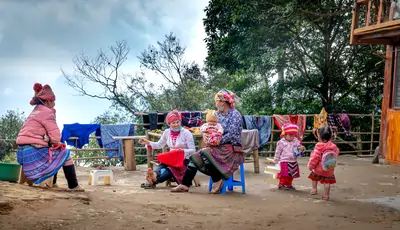
Indigenous communities across North America, South America, Australia, and other regions often employ parenting methods rooted in observation, storytelling, and experiential learning.
– Learning Through Observation
Rather than relying heavily on direct instruction, many Indigenous cultures encourage children to learn by watching and participating.
Children develop practical skills through:
- Observation
- Participation
- Mentorship
- Real-world experience
– Storytelling as Education
Stories serve as powerful teaching tools, transmitting:
- Moral values
- Cultural history
- Survival skills
- Community traditions
This approach strengthens cultural identity while encouraging critical thinking.
– Respect for Natural Development
Many Indigenous parenting systems allow children greater freedom to explore their environments, trusting natural curiosity as a driver of learning.
The Role of Extended Family in Non-Western Parenting
One of the clearest differences between many Western and non-Western parenting models is the involvement of the extended family.
Grandparents frequently contribute:
- Childcare
- Cultural education
- Emotional guidance
- Family history
Children benefit from relationships across generations, gaining broader perspectives and stronger support networks.
Community-Centered Child Development
Many non-Western cultures view children as members of a larger social network rather than isolated individuals.
Benefits of community-centered parenting include:
| Benefit | Impact on Children |
|---|---|
| Social Support | Increased emotional security |
| Multiple Mentors | Diverse learning opportunities |
| Shared Responsibility | Stronger cooperation skills |
| Community Identity | Greater sense of belonging |
| Intergenerational Interaction | Enhanced cultural knowledge |
Gender Roles in Non-Western Parenting
In many non-Western cultures, gender plays a significant role in shaping parenting practices and expectations. Boys and girls are often raised with different responsibilities and future roles in mind, reflecting the traditional values of the culture.
In Middle Eastern and South Asian cultures, for example, boys may be groomed to take on leadership or provider roles, while girls are often raised to be nurturing and family-oriented. In Latin America, machismo and marianismo influence how boys and girls are taught about their roles within the family and society. These gender-based expectations extend to how children are disciplined, educated, and given responsibilities around the house.
However, many non-Western parents are now embracing more flexible gender roles, particularly as they encounter modern, global values. Urban families in places like India, Latin America, and the Middle East are increasingly promoting equality between boys and girls, encouraging both to pursue education and career opportunities and to participate equally in household responsibilities.
Independence Versus Interdependence
A key distinction in global parenting philosophies involves how societies define success.
Western Focus
Success is often associated with:
- Personal choice
- Independence
- Self-reliance
- Individual achievement
Non-Western Focus
Success is often associated with:
- Family contribution
- Social responsibility
- Community engagement
- Relationship maintenance
These contrasting perspectives shape everyday parenting decisions and long-term expectations.
Discipline and Respect Across Cultures
Many non-Western parenting traditions place considerable emphasis on teaching respect and self-control.
Children are often encouraged to:
- Listen attentively
- Consider others’ needs
- Follow family expectations
- Demonstrate courtesy
Discipline is frequently viewed as a tool for developing character and social responsibility rather than simply correcting behavior.
Education and Learning in Non-Western Societies
Education extends far beyond academics in many cultures.
Children may learn:
- Family traditions
- Community responsibilities
- Religious practices
- Cultural customs
- Practical life skills
Knowledge is often transmitted through daily participation in family and community life.
Emotional Development and Social Responsibility
Many non-Western cultures teach children to balance personal needs with the needs of others.
Key lessons often include:
- Empathy
- Cooperation
- Generosity
- Respect
- Collective responsibility
This approach can foster strong interpersonal skills and social awareness.
Parenting Challenges in Immigrant Families
For non-Western parents who have immigrated to Western countries, balancing their cultural traditions with the demands of their new environment can be challenging. These parents often face the difficult task of maintaining their cultural values while helping their children integrate into a Western society that may have very different expectations around parenting, education, and discipline.
Children of immigrant parents can struggle with a “cultural gap” between the values they are raised with at home and those they encounter at school or with peers. This can lead to conflicts between parents and children, as well as a sense of cultural displacement or identity confusion for the child.
Many non-Western immigrant parents work hard to preserve their cultural traditions, whether through language, food, religious practices, or involvement with their ethnic communities. At the same time, they often seek to incorporate elements of Western parenting, particularly around issues like independence and open communication, in order to help their children succeed in their new environment.
The Impact of Globalization on Non-Western Parenting
Globalization has had a profound impact on parenting styles worldwide, leading to a blend of traditional and modern practices. As Western media, education systems, and values reach non-Western societies, many parents find themselves incorporating elements of Western parenting—such as encouraging individuality, fostering open communication, or allowing more freedom of expression—into their traditional approaches.
However, this cultural blending also poses challenges. Some non-Western parents worry that exposure to Western values may undermine the family structure, respect for elders, or communal responsibilities that are central to their cultural identity. At the same time, non-Western parents are finding new ways to adapt to these changes while preserving their cultural heritage, resulting in hybrid parenting styles that blend the best of both worlds.
Comparing Parenting Approaches Around the World
flowchart TD
    A[Parenting Values] --> B[Western Model]
    A --> C[Non-Western Model]

    B --> D[Independence]
    B --> E[Self-Expression]
    B --> F[Personal Achievement]

    C --> G[Family Unity]
    C --> H[Community Responsibility]
    C --> I[Respect for Elders]

    G --> J[Strong Support Networks]
    H --> K[Collective Success]
    I --> L[Intergenerational Learning]
Lessons Modern Parents Can Learn
Parents everywhere can benefit from considering the strengths of non-Western parenting traditions.
Valuable lessons include:
Building Strong Family Connections
Regular family interaction strengthens emotional security and belonging.
Encouraging Responsibility Early
Age-appropriate responsibilities help children develop confidence and competence.
Valuing Community Support
Trusted relatives, friends, and mentors can enrich a child’s development.
Respecting Intergenerational Wisdom
Grandparents and elders often provide valuable guidance and cultural continuity.
Teaching Cooperation
Helping children understand their role within families and communities encourages empathy and social responsibility.
Conclusion: Celebrating the Diversity of Parenting Styles
Parenting is as diverse as the cultures it springs from, and there is no one-size-fits-all approach. Non-Western parenting styles, with their emphasis on community, respect, and familial responsibility, offer valuable insights into how we raise our children and shape their futures. These practices remind us of the importance of balancing love with discipline, individuality with responsibility, and tradition with modernity.
As globalization continues to shape family life around the world, it’s crucial to celebrate and respect the unique approaches to parenting passed down through generations. By understanding and appreciating the diversity of parenting styles, we can foster more inclusive, compassionate perspectives on child-rearing and strengthen our global community.
