

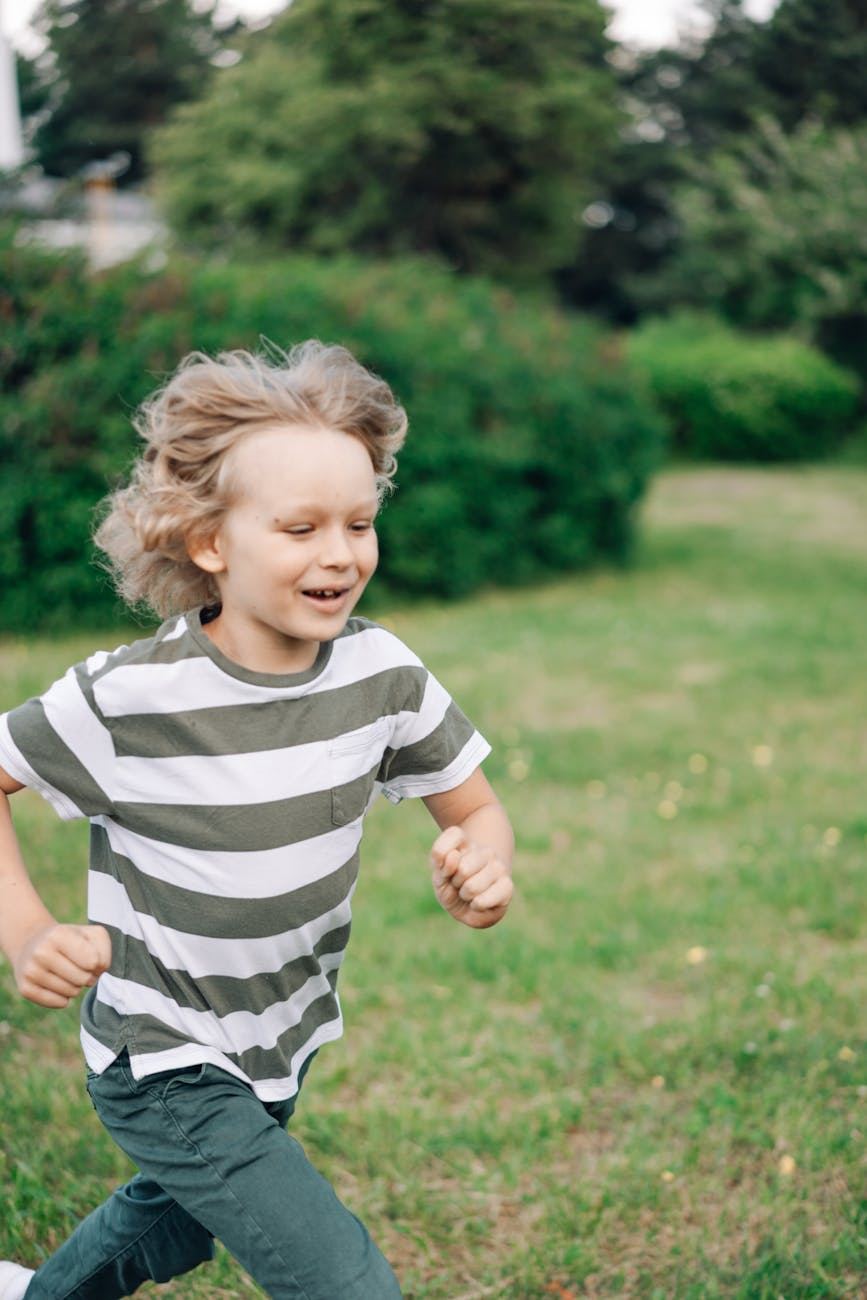
When looking for a preschool for my child, I was attracted to schools that offered more outdoor time than indoor. Something in my heart didn’t want my child to be cooped up inside four walls, especially when I’ve seen how happy he is outdoors.
So when I saw a fully outdoor school, I was really truly interested. But then there was this thought: What if this is too good to be true? What if he has fun now, but it makes him less serious about academics in the future?
So, as usual, I looked at what research says to help make my decision. And that’s how I found this study—a deep dive into the actual impact of Forest School.
Here’s what the research found.
Table of Contents
What Exactly Is Forest School?
Forest School is a child-led, play-based learning approach held outdoors—usually in a forest, park, or natural setting. It encourages exploration, creativity, and connection to nature.
- No desks
- No rigid curriculum
- Lots of mud, sticks, and curiosity
It’s not about teaching kids in nature, it’s about letting nature teach them.
💡 Quick Answer: Is Forest School Actually Good for Kids?
Yes, when done well. The study that I liked above found that kids who go to Forest School get a significant boost in confidence, social skills, and emotional well-being in young children (ages 4–8). But not every program is created equal, and it’s not a magic fix.
TL;DR for Parents in a Rush
- Forest School boosts confidence, focus, and social skills.
- It’s safe, flexible, and great for toddlers too.
- You can try parts of it at home.
- The research is promising, but not perfect, so test and see what works for your family.
- It’s more than a program. It’s a mindset.
What Did the Study Actually Find?
This 2007 research by Liz O’Brien and Richard Murray followed 24 children over 8 months of Forest School sessions in the UK. Here’s what they saw:
| Benefit | Real-World Impact |
|---|---|
| 🎯 Confidence | Kids took more risks, tried new things, and said “I can!” more often. |
| 🧠 Focus & Curiosity | Children were more attentive and asked thoughtful questions. |
| 🧑🤝🧑 Social Growth | Even shy kids engaged more with peers. |
| ✍️ Language Development | Richer vocabulary and storytelling sparked by nature. |
| 💪 Physical Skills | Better balance, coordination, and strength. |
Real Parent Voice
One teacher reported a child who was “almost mute” in class but “started talking to everyone” outdoors. This kind of transformation is powerful, but not guaranteed.
But Is This Study Reliable?
Not 100%. Let’s keep it real.
While the findings are exciting, the study has limitations:
- Only 24 children (small sample size)
- No control group to compare with traditional classrooms
- Observations may be biased (parents and teachers wanted it to work)
- Only 8 months long, so we don’t know about long-term benefits
Advertisement: Revive, Retain, & Grow Your Customers with this Loyalty Program.
Does Forest School Help Toddlers?
While the study focused on 4 to 8-year-olds, many Forest School programs welcome toddlers, too.
Top toddler wins:
- Gross motor development (running, climbing, digging)
- Language bursts from rich sensory play
- Reduced tantrums (outdoor freedom = fewer meltdowns)
- Early social learning through cooperative play
You’ll probably benefit too—parents in the study said they felt more confident encouraging outdoor time at home.
FAQ: What All Parents Really Want to Know
Is Forest School safe for toddlers?
Yes, as long as sessions are led by trained practitioners and follow risk assessments. Kids are taught to manage risk, like how to carry sticks or walk on uneven paths.
What if my child hates getting dirty?
That’s okay! Most children warm up. Start with short sessions and waterproof gear. Celebrate tiny wins—like touching a leaf or sitting on grass.
Can we do it ourselves at home?
Absolutely. Forest School is a philosophy, not a trademark. Start with simple activities like:
– Making a stick soup
– Counting bugs on a nature walk
– Collecting leaves and sorting by shape
Is it just a UK thing?
It started in Scandinavia, caught fire in the UK, and is now global. Check local Facebook groups or parenting forums for “nature playgroups” or “outdoor schools” near you.
Want to Try It? Here’s a Simple Forest School Starter Plan
| Step | What to Do |
|---|---|
| 👀 Observe | Join a local session to see if it clicks with your child. |
| 🧺 Gear Up | Waterproof boots, layers, and snacks. That’s it! |
| 🌲 Find Your Spot | Even a neighborhood park works. |
| 🧠 Think Like a Guide | Let your child lead. Ask open questions like, “What do you think lives under this log?” |
| 📸 Reflect | Take photos and chat about the day. That builds emotional memory. |
Real Talk: Is It Worth It?
Forest School isn’t about raising future survivalists or wilderness kids—it’s about growing confident, resilient, and curious humans.
And while the science is still catching up, the stories from parents and educators are loud and clear:
Kids love it. And they grow from it.
If you’re tired of overstimulation, screen time stress, or rigid classrooms, Forest School might be the breath of fresh air you and your child need—literally.
