

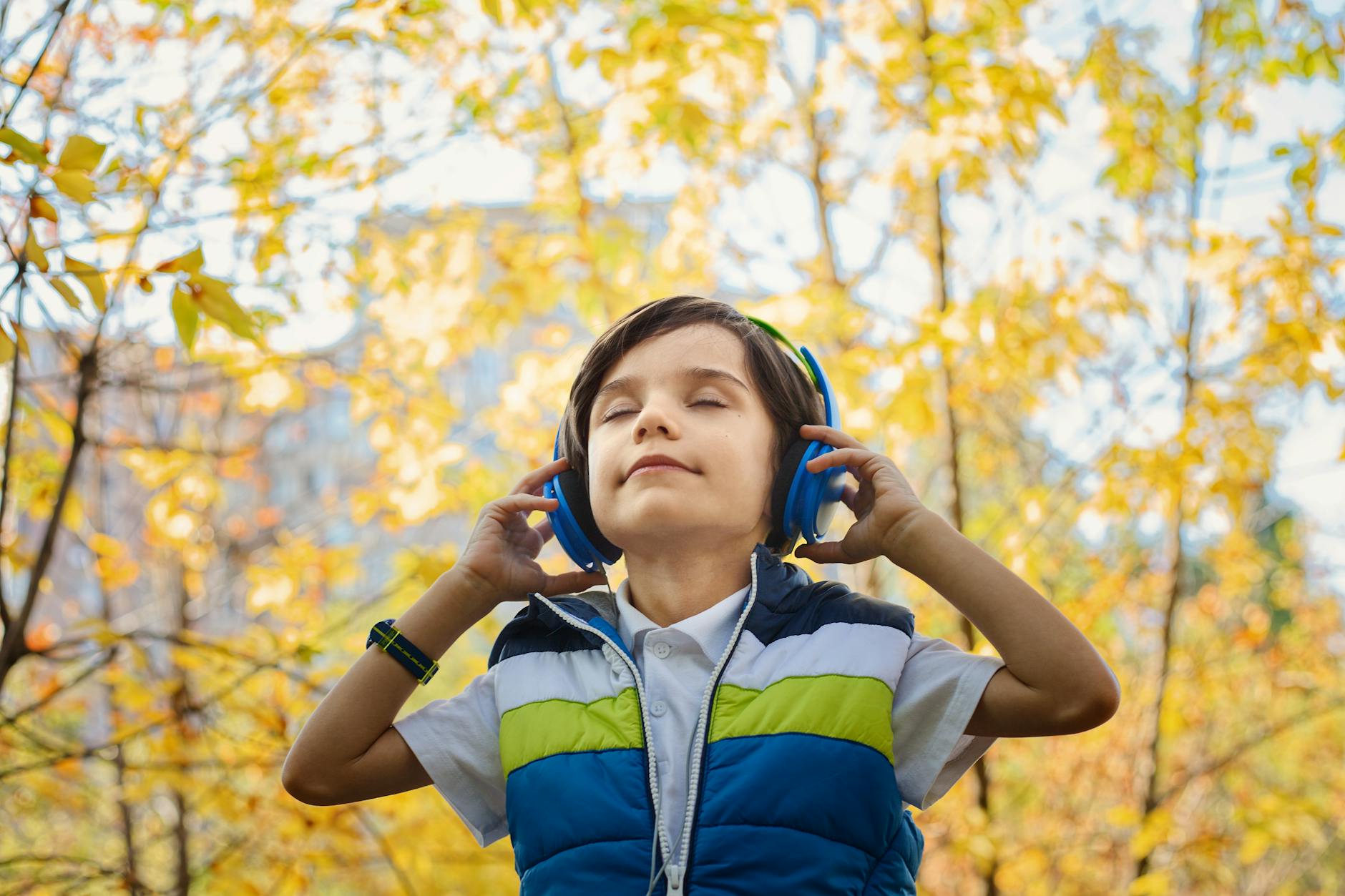
Imagine this:
Your child’s face lights up as they pluck their first tune on a tiny guitar. It’s not just music you’re hearing—it’s their brain growing stronger, more agile, and better equipped for the future.
You’ve already invested in good schools, healthy food, and nurturing relationships.
But there’s another powerful, science-backed tool that can quietly supercharge your child’s development: musical training.
Here’s why (and how) to use it.
Table of Contents
Musical Training Physically Grows the Brain
Scientists used advanced brain imaging to study professional musicians, amateur musicians, and people who had never played an instrument.
They found something astonishing:
The more musical training someone had, the more gray matter their brain developed in key areas.
These brain regions included:
- Motor and sensory areas (for fine hand control and touch sensitivity)
- Auditory areas (for processing sound and distinguishing tones)
- Visual-spatial areas (important for reading, math, and navigation)
- The cerebellum (essential for coordination and precise timing)
In simple words?
Learning music gives the brain a full workout across multiple skills, all at once. And the earlier and longer your child practices, the stronger these brain changes become.
It’s Not Just Talent—It’s Training
One of the most exciting parts of this research?
These brain differences aren’t simply “natural talent.” They come from the act of practicing music consistently.
That means your child doesn’t need to be born a musical genius to benefit.
They just need the chance to explore, practice, and enjoy music.
How Learning Music Helps Your Child In Other Areas Of Their Life
The benefits of musical training transfer to school, sports, problem-solving, and emotional regulation. Your child will showcase:
✅ Stronger reading skills
✅ Better math performance
✅ Sharper memory
✅ Improved focus and attention span
✅ More emotional resilience
Think of it as a “brain gym”—where every practice session strengthens your child’s foundation for future success.
Best Ways to Introduce Music at Every Age
| Child’s Age | Simple Ways to Start |
|---|---|
| 0–2 years | Sing daily, shake rhythm toys, dance together |
| 3–5 years | Play with small drums, toy keyboards, xylophones |
| 6–8 years | Begin simple formal lessons (piano, violin, ukulele) |
| 9+ years | Explore band, choir, or personal instrument preferences |
🎶 Tip: Follow your child’s curiosity—the best instrument is the one they feel excited to pick up!
Common Worries (And Why You Shouldn’t Stress)
“What if my child loses interest?”
That’s okay! Exposure itself benefits the brain. Even short periods of music learning leave lasting effects.
“What if we can’t afford expensive lessons?”
YouTube tutorials, secondhand instruments, and free community classes are all fantastic starting points.
“My child isn’t showing much musical ability.”
Ability grows with practice. Brain changes are about consistency, not initial skill!
Smart Parenting Tips to Boost Brain Growth Through Music
🎵 Start Early: Early exposure multiplies benefits. Even clapping games count!
🎵 Make It Playful: Choose fun over pressure. Joy fuels persistence.
🎵 Encourage Daily Touchpoints: A few minutes daily beats long, rare lessons.
🎵 Celebrate Effort: Focus on practice, not perfection.
🎵 Join In: Make music a family bonding activity—jam sessions, sing-alongs, silly dances.
Final Thought: Music Isn’t Just a Hobby—It’s an Investment in Your Child’s Brain
For intelligent parents who want to build their child’s future strength—academically, emotionally, and socially—music is one of the most scientifically sound and joyful ways to do it.
So pick up that tambourine, dust off that piano, or belt out silly songs in the kitchen.
You’re growing more than a musician. You’re growing a brilliant mind. 🎶✨
